Teanga

Faigh luachan
Faigh luachan

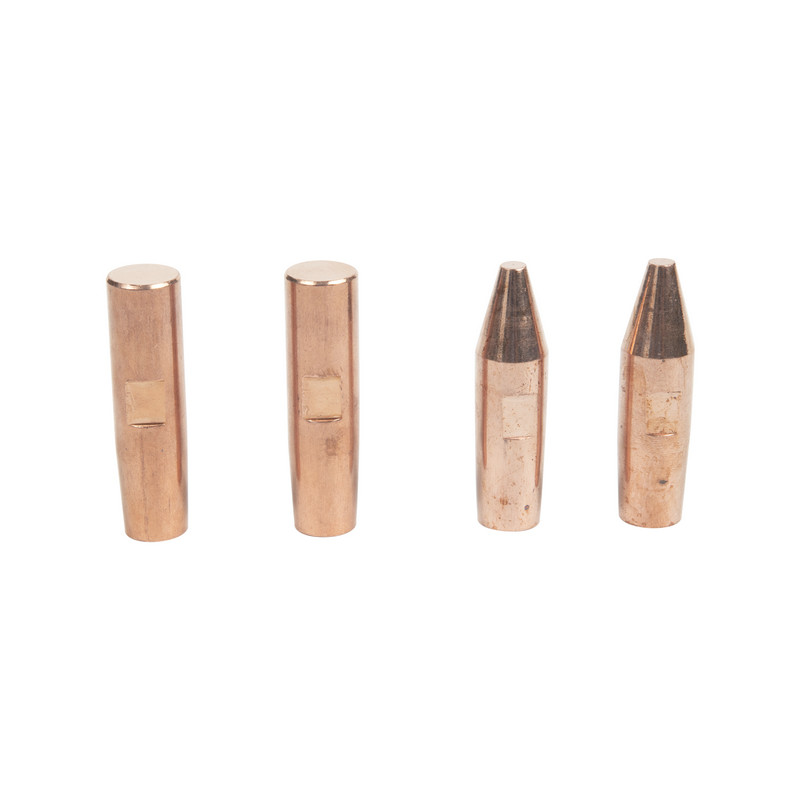
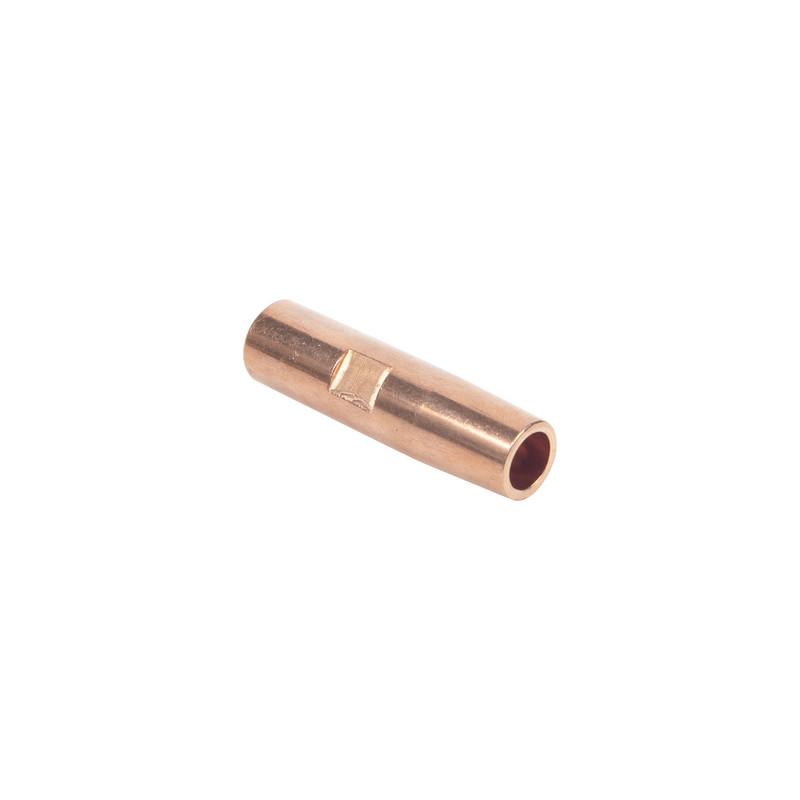
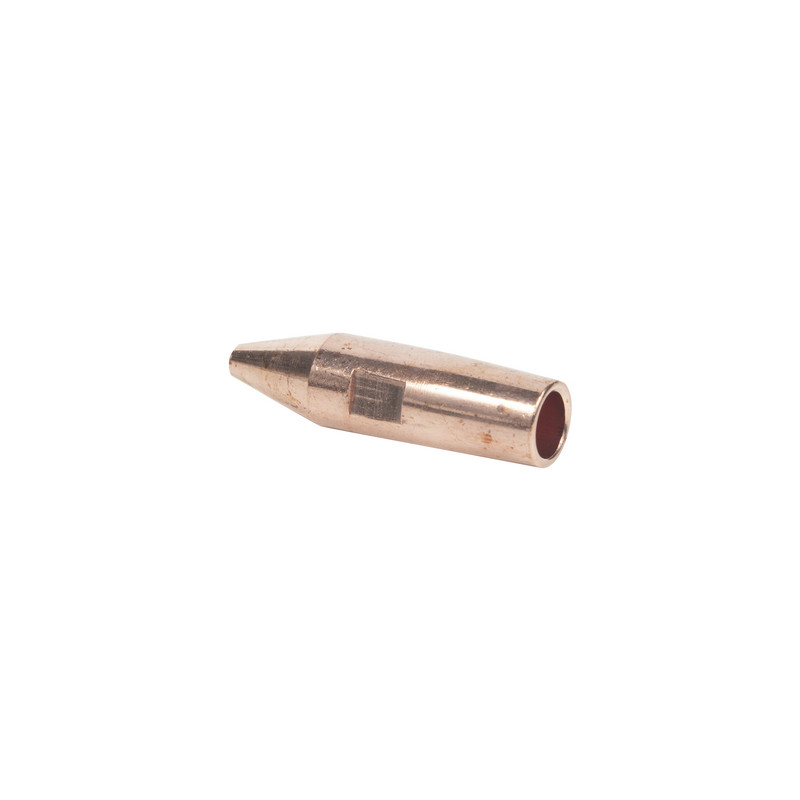
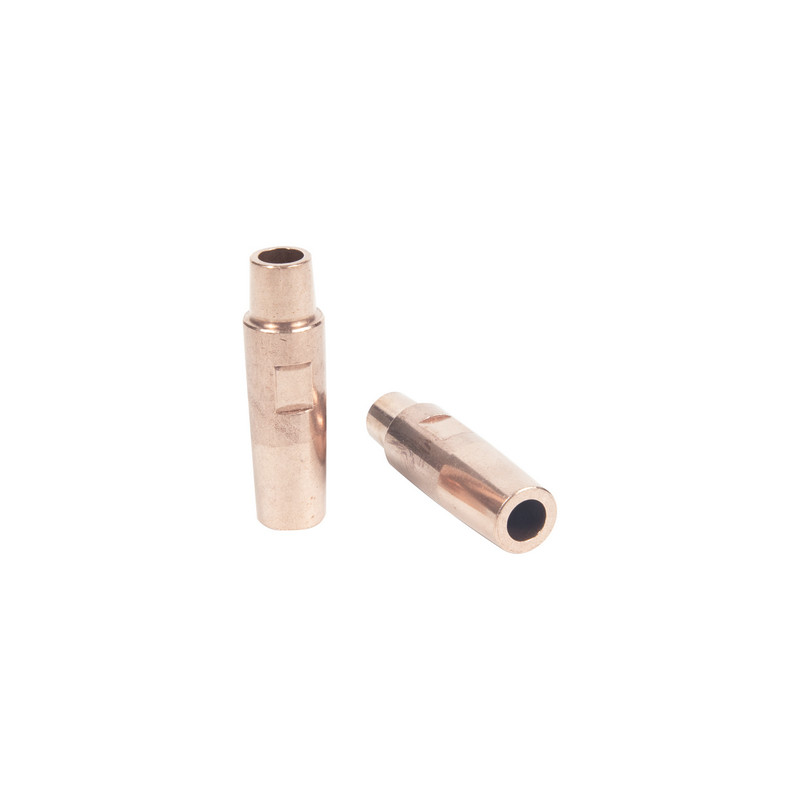
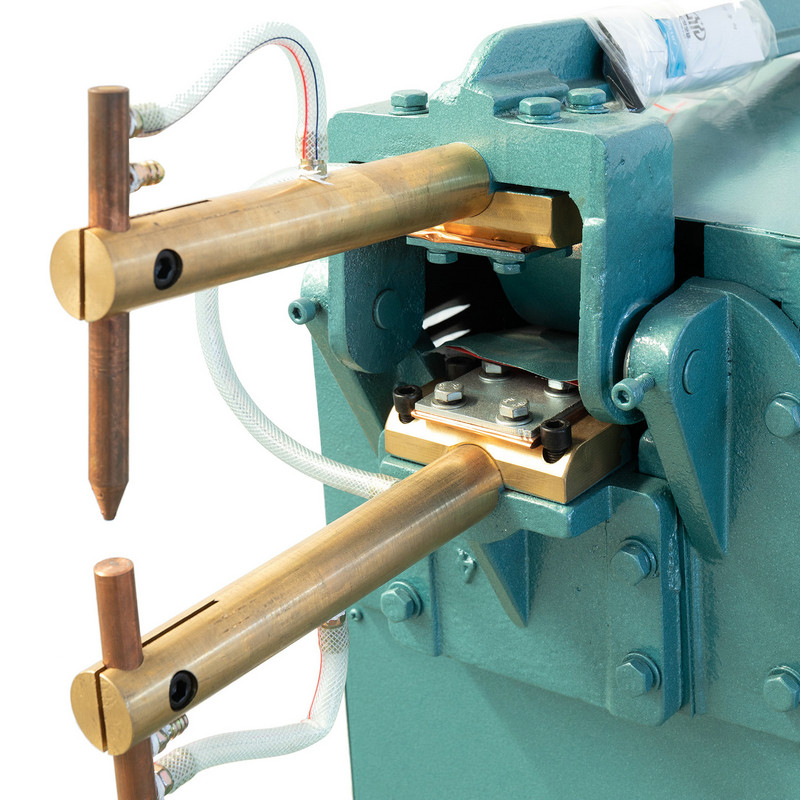
Tá an leictreoid táthú copair copair copair chrome ф20 ina chomhpháirt ríthábhachtach i gciorcad na meaisíní táthúcháin, a bhfuil sé de chúram air sruth leictreach a dhéanamh agus an teas riachtanach a sholáthar don phróiseas táthúcháin. Baineann ár gcuideachta úsáid as copar cróimiam zirconium mar an t -ábhar dár leictreoidí táthúcháin, rogha a thugann seoltacht leictreach agus teirmeach eisceachtúil dóibh. Tá cruas iontach ag an ábhar seo freisin, caithfear friotaíocht a chaitheamh, cáilíochtaí cruthúnas pléasctha, friotaíocht crack, agus frithsheasmhacht in aghaidh softening. Mar gheall ar na teochtaí arda atá i gceist, tá ídiú leictreoidí le linn táthú íosta, ag cur le hoibríochtaí táthúcháin Swift.

Sonraíochtaí
|
Múnla Múnla |
T |
L |
Múnla Múnla |
T |
L |
|
MSC-1640-1 |
1/10 |
40 |
MSP-1640-1 |
1/10 |
40 |
|
MSC-1645-1 |
1/10 |
45 |
MSP-1645-1 |
1/10 |
45 |
|
MSC-1650-1 |
1/10 |
50 |
MSP-1650-1 |
1/10 |
50 |
|
MSC-1655-1 |
1/10 |
55 |
MSP-1655-1 |
1/10 |
55 |
|
MSC-1660-1 |
1/10 |
60 |
MSP-1660-1 |
1/10 |
60 |
|
MSC-1665-1 |
1/10 |
65 |
MSP-1665-1 |
1/10 |
65 |
|
MSC-1670-1 |
1/10 |
70 |
MSP-1670-1 |
1/10 |
70 |
|
MSC-1640-2 |
MT#2 $ $ $ |
40 |
MSP-1640-2 |
MT#2 |
40 |
|
MSC-1645-2 |
MT#2 |
45 |
MSP-1645-2 |
MT#2 |
45 |
|
MSC-1650-2 |
MT#2 |
50 |
MSP-1650-2 |
MT#2 |
50 |
|
MSC-1655-2 |
MT#2 |
55 |
MSP-1655-2 |
MT#2 |
55 |
|
MSC-1660-2 |
MT#2 |
60 |
MSP-1660-2 |
MT#2 |
60 |
|
MSC-1665-2 |
MT#2 |
65 |
MSP-1665-2 |
MT#2 |
65 |
|
MSC-1670-2 |
MT#2 |
70 |
MSP-1670-2 |
MT#2 |
70 |
|
Múnla Múnla |
T |
L |
Múnla Múnla |
T |
L |
|
MSF-1640-1 |
1/10 |
40 |
MSE-1640-1 |
1/10 |
40 |
|
MSF-1645-1 |
1/10 |
45 |
MSE-1645-1 |
1/10 |
45 |
|
MSF-1650-1 |
1/10 |
50 |
MSE-1650-1 |
1/10 |
50 |
|
MSF-1655-1 |
1/10 |
55 |
MSE-1655-1 |
1/10 |
55 |
|
MSF-1660-1 |
1/10 |
60 |
MSE-1660-1 |
1/10 |
60 |
|
MSF-1665-1 |
1/10 |
65 |
MSE-1665-1 |
1/10 |
65 |
|
MSF-1670-1 |
1/10 |
70 |
MSE-1670-1 |
1/10 |
70 |
|
MSF-1640-2 |
MT#2 |
40 |
MSE-1640-2 |
MT#2 |
40 |
|
MSF-1645-2 |
MT#2 |
45 |
MSE-1645-2 |
MT#2 |
45 |
|
MSF-1650-2 |
MT#2 |
50 |
MSE-1650-2 |
MT#2 |
50 |
|
MSF-1655-2 |
MT#2 |
55 |
MSE-1655-2 |
MT#2 |
55 |
|
MSF-1660-2 |
MT#2 |
60 |
MSE-1660-2 |
MT#2 |
60 |
|
MSF-1665-2 |
MT#2 |
65 |
MSE-1665-2 |
MT#2 |
65 |
|
MSF-1670-2 |
MT#2 |
70 |
MSE-1670-2 |
MT#2 |
70 |
Táirgí Molta
COINNIGH I dTEAGMHÁIL


Every weld is a production decision. When you choose an electrical welding machine, you are really choosing how to balance weld quality, cycle time, and operator effort on your floor. After buil...
LÉIGH TUILLEADH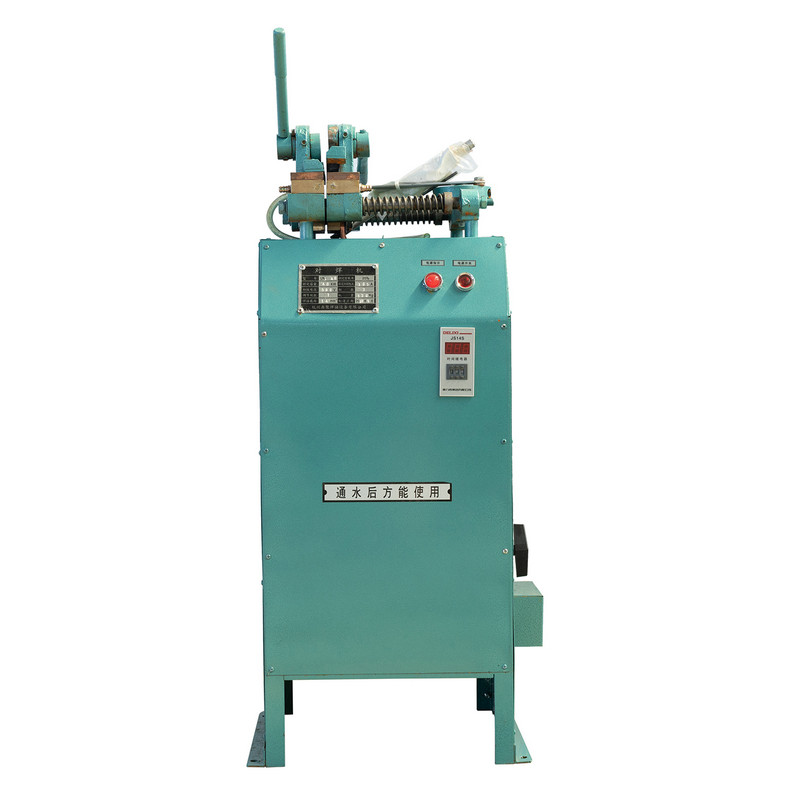
Understanding Resistance Butt Welding and the Role of Flash Weld Technology Joining two metal bar ends face to face without filler material is one of the oldest challenges in metal fabrica...
LÉIGH TUILLEADH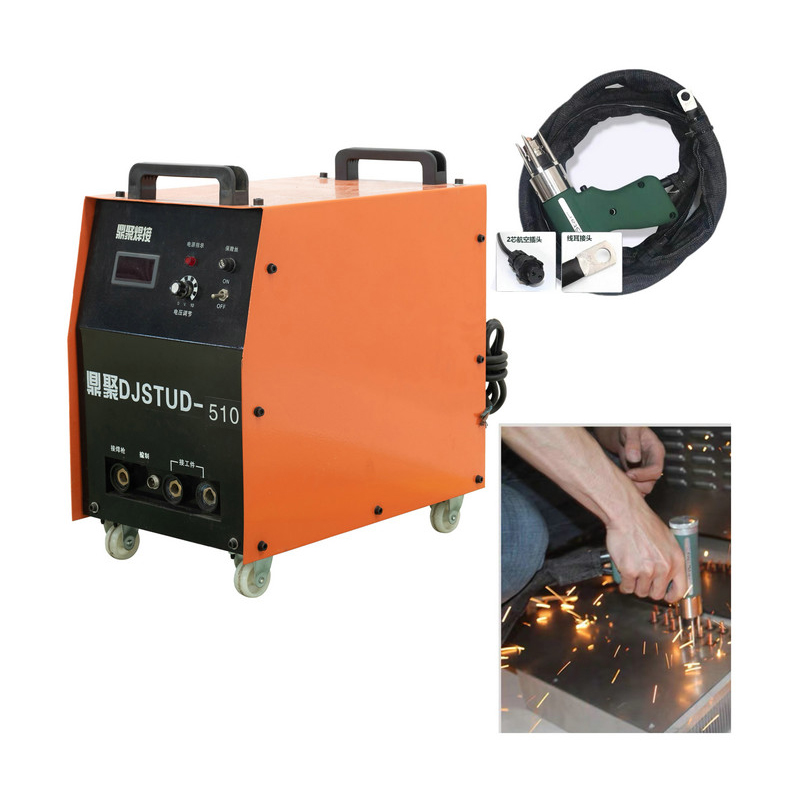
Understanding Stud Spot Welding Technology Today Fastening components to metal panels without drilling or riveting has become a standard requirement across sheet metal fabrication, shipbui...
LÉIGH TUILLEADH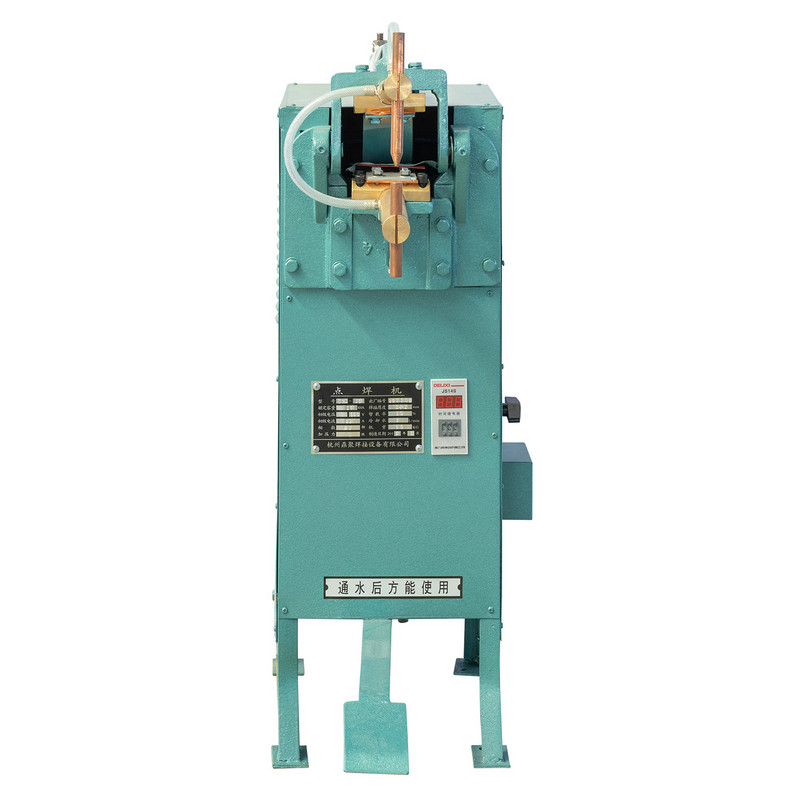
Spot Welding Machine Categories and How They Differ Resistance spot welding equipment is generally divided by how the electrode force is generated and applied. Mechanical foot-pedal units ...
LÉIGH TUILLEADH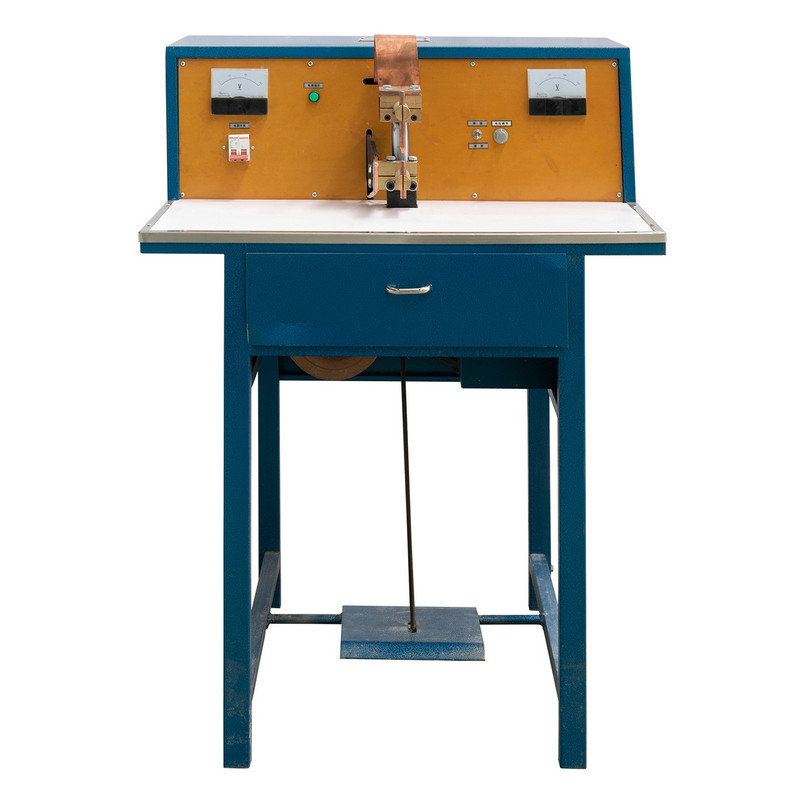
Why Heat Is the Hidden Bottleneck in Spot Welding Is imeacht rialaithe teirmeach é gach spot-táthú frithsheasmhachta, ina chroílár. Téann cuisle gairid, dian srutha trí dhá leathán miotail...
LÉIGH TUILLEADH
Why Electrode and Controller Maintenance Determines Weld Quality In resistance spot welding, the quality of every joint depends on two components working in sync: the electrode that delive...
LÉIGH TUILLEADH
Táirge
Cód QR